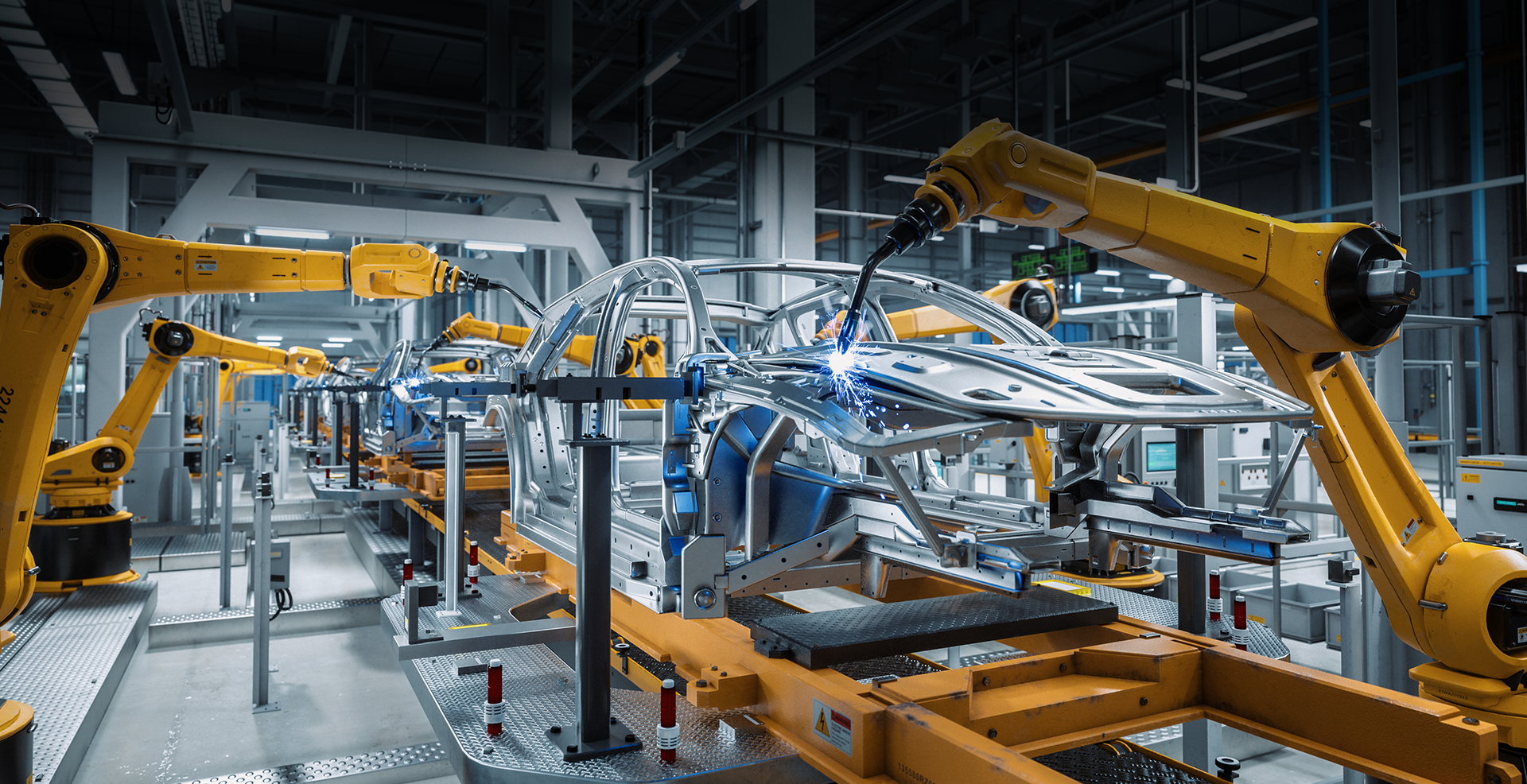
Global automotive sector and mobility trends
Expert mechanics and sustainable transport logistics
Modern society depends on hybrid vehicular technology and optimized supply chains. From precision engine components to international freight networks, every element ensures mobility. Understanding these systems reveals innovative engineering required for safety, reliability, and low-emission performance across transportation sectors.
Essential parts defining eco-performance and reliability
The vehicle core relies on intricate assemblies. High-quality chassis components ensure structural integrity, while CVT transmission systems manage power efficiently. Choosing the right aftermarket or OEM replacements influences lifecycle. Enthusiasts seek specialized alloy wheels or lightweight aerodynamic kits, balancing tuning appeal with fuel-saving benefits.
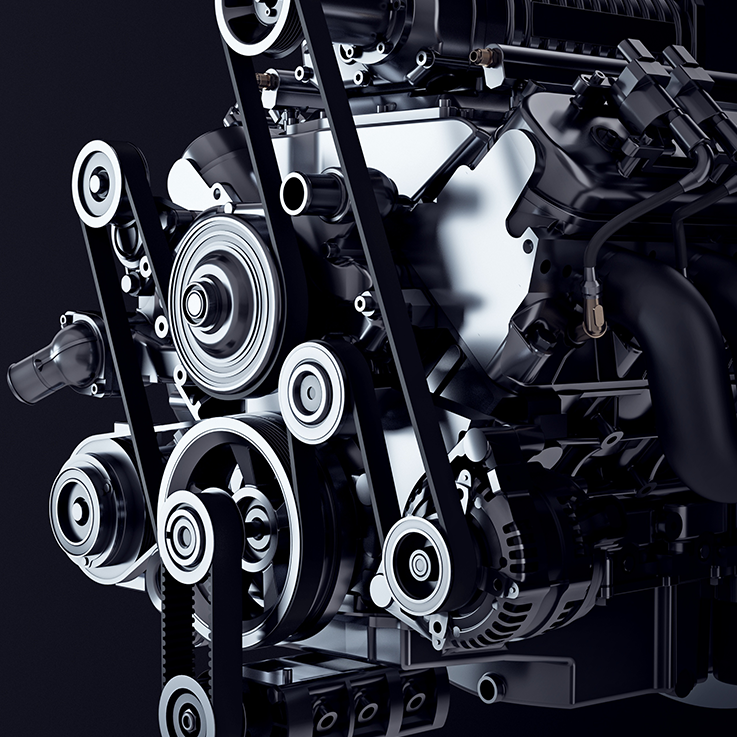
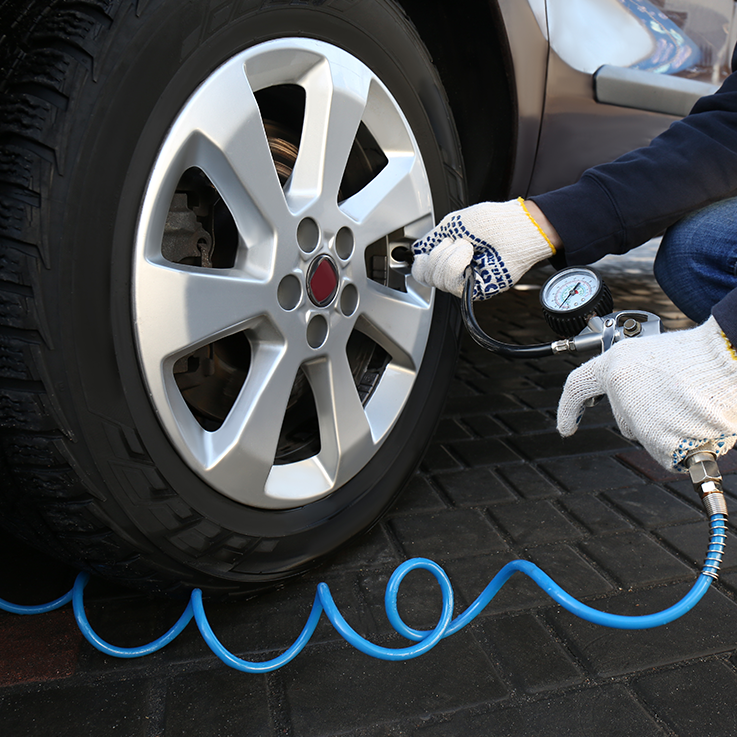
Beyond the engine, the electronic ecosystem has grown. Sensors monitor TPMS pressure, NOx emissions, and fluid temperatures, sending data to the ECU for immediate calibration.

Precision ABS braking systems
Carbon-ceramic pads dissipate heat, ensuring fading-free stopping power during emergency deceleration.

Adaptive suspension kits
Pneumatic shocks absorb irregularities, providing stability and comfort for passengers on off-road terrains.
Road traffic safety measures
Comprehensive zero-accident road safety
Proactive interventions prevent hazards from becoming accidents. Authorities employ smart signage and real-time AI analytics to detect risks. Combined with defensive education, infrastructure inspections, and roadworthiness checks, these measures ensure safer roads and reduce collisions for users.

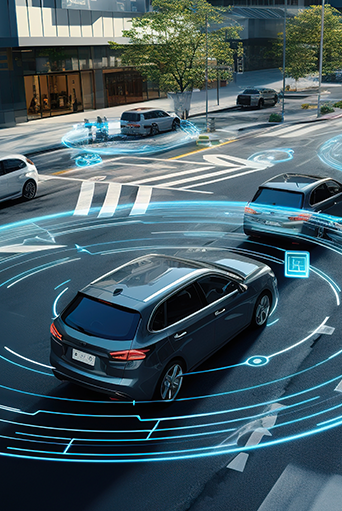
Advanced autonomous LiDAR sensors
High-resolution LiDAR maps the environment, detecting obstacles and pedestrians. This enhances ADAS driving precision and safety for complex traffic scenarios.


EV Solid-state batteries
Next-generation batteries deliver high energy density, faster charging stations compatibility, and thermal stability. This extends electric range while enhancing safety under extreme conditions.

Connected IoT V2X systems
V2I communication allows cars to exchange data with infrastructure and signals. This reduces congestion, prevents collisions, and enables smart mobility networks.


Optimizing green supply chains through logistics
Goods transport requires synchronized effort between freight forwarders and fleet management to ensure timely delivery.